
Discover how tailoring dietary recommendations for personalized nutrition plans can optimize your health. Explore genetic testing, metabolic insights
Tailoring dietary recommendations for personalized nutrition plans for personalized nutrition plans involves creating customized meal plans based on an individual’s unique needs and health goals. This approach is transforming how we think about food, moving away from one-size-fits-all diets and towards more specific, data-driven strategies.
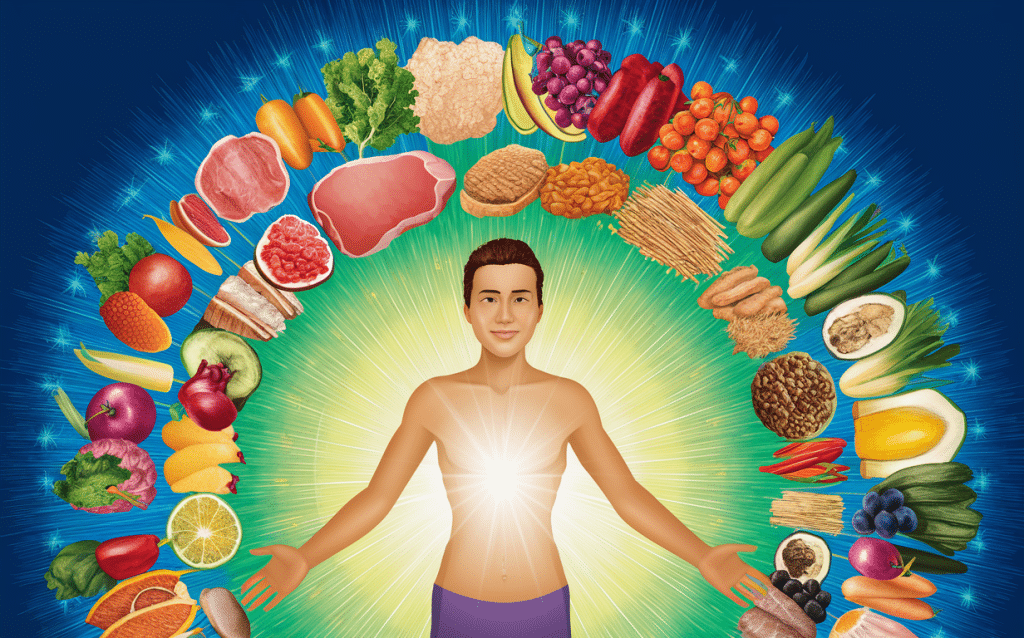
Personalized nutrition is an approach where dietary recommendations are specifically tailored to an individual’s unique biological makeup. This can include genetic information, metabolic data, and personal health history. By considering these factors. Tailoring dietary recommendations for personalized nutrition plans, personalized nutrition aims to optimize health and prevent disease more effectively than generalized guidelines.
Personalized nutrition is essential because it recognizes that each person has unique nutritional needs. Standard dietary guidelines may not be effective for everyone. For instance, people with certain genetic markers may metabolize nutrients differently, requiring tailored dietary adjustments to achieve optimal health.
Genetic testing can provide valuable information about how your body processes different nutrients. By understanding your genetic predispositions, you can make more informed dietary choices. For example, some people have a genetic variant that affects how they metabolize caffeine or lactose, which can impact their diet and overall health.
Common Genetic Variants and Their Impact on Nutrition
| Genetic Variant | Nutrient Affected | Potential Dietary Adjustment |
|---|---|---|
| MTHFR | Folate | Increased intake of methylated folate |
| APOE4 | Fats | Reduced saturated fat intake |
| LCT | Lactose | Lactose-free or reduced-lactose diet |
| CYP1A2 | Caffeine | Reduced caffeine consumption |
Tailoring dietary recommendations for personalized nutrition plans can optimize your health. Chiropractic care and personalized nutrition can work hand-in-hand to promote holistic health. Chiropractors often emphasize the importance of a balanced diet in maintaining spinal health and overall well-being. By combining chiropractic adjustments with personalized nutrition plans, individuals can achieve better health outcomes.
Hormone levels play a significant role in how our bodies utilize nutrients. Hormone testing can help identify imbalances that may affect metabolism, energy levels, and overall health. For example, thyroid hormone levels can significantly impact metabolic rate and weight management.
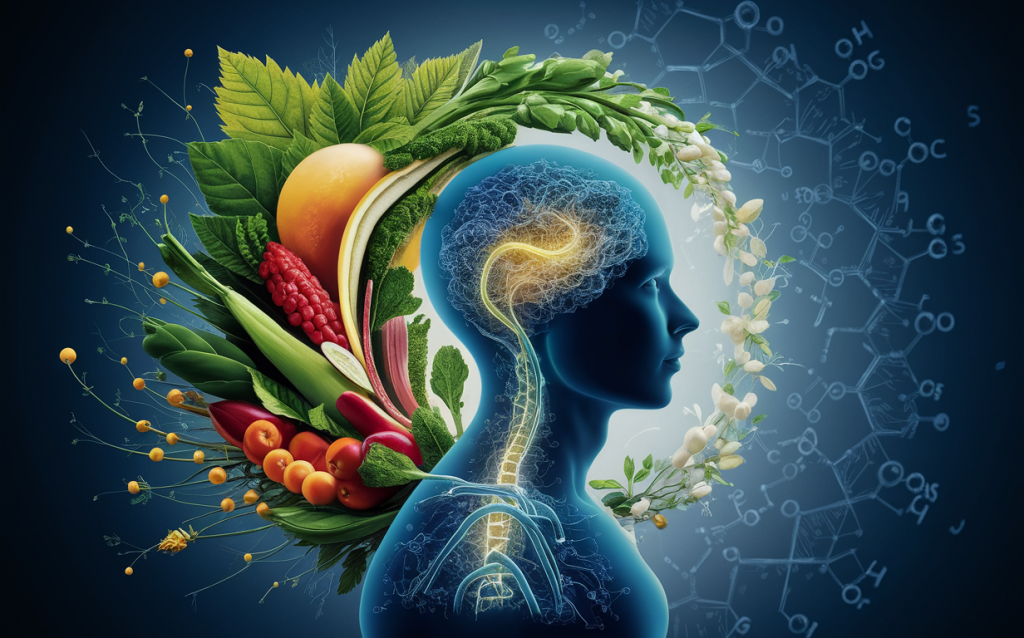
Lab work provides a detailed insight into an individual’s health status. Blood tests can measure various biomarkers, including cholesterol levels, blood sugar, and inflammation markers. These insights are crucial for tailoring dietary recommendations that address specific health concerns.
Common Lab Tests and Their Nutritional Implications
| Lab Test | Biomarker Measured | Nutritional Implication |
|---|---|---|
| Lipid Panel | Cholesterol Levels | Adjustments in dietary fats |
| HbA1c | Blood Sugar Levels | Changes in carbohydrate intake |
| CRP | Inflammation | Anti-inflammatory diet modifications |
| Vitamin D | Vitamin D Levels | Increased intake of vitamin D-rich foods |
Organic acids testing can provide insights into metabolic processes and gut health. By evaluating the levels of various organic acids in the body, practitioners can identify nutrient deficiencies, toxin exposure, and metabolic imbalances. This information is invaluable for creating a personalized nutrition plan that addresses these specific issues.
Working with a nutritional coach can help individuals understand and implement their personalized nutrition plans. Coaches can provide guidance, support, and accountability, making it easier to stick to dietary recommendations. They can also help adjust the plan as needed based on progress and changing health goals.
Tailoring dietary recommendations for personalized nutrition plans isn’t just for adults. Children and pregnant women have unique nutritional needs that can be addressed through personalized nutrition plans. For example, a child’s diet can be customized to support growth and development, while prenatal nutrition plans can ensure both the mother and baby receive essential nutrients.
Many people have experienced significant health improvements by following personalized nutrition plans. For instance, individuals with genetic predispositions to certain conditions, like high cholesterol, have successfully managed their health through tailored dietary recommendations. Similarly, those with food intolerances have found relief by adjusting their diets based on genetic and metabolic information.
Start with a comprehensive health assessment. Includes genetic testing, lab work, and hormone testing.

As technology and research advance, personalized nutrition will become even more precise and accessible. Innovations in genetic testing, wearable health devices, and AI-driven dietary recommendations will continue to enhance our ability to tailor nutrition plans to individual needs.
Tailoring dietary recommendations for personalized nutrition plans is a powerful approach to achieving optimal health. By considering an individual’s unique genetic, metabolic, and health profile, personalized nutrition offers a more effective way to manage diet and wellness. Integrated with chiropractic care, hormone testing, and lab work, this approach can lead to significant improvements in overall health and well-being.
By embracing personalized nutrition, individuals can take control of their health in a way that is uniquely suited to their needs, paving the way for a healthier, more balanced life.
For further reading on personalized nutrition, consider exploring articles and research papers that delve into the specifics of genetic testing, metabolic health, and the integration of holistic care practices like chiropractic adjustments. Visit chiropractic care or nutrition coaching. Always consult with a healthcare provider before making significant changes to your diet or health regimen.

Dr. Merissa grew up in Victoria, BC, Canada where she obtained her BSc. Kinesiology, with Honours, from the University of Victoria. She learned about the power of chiropractic after having her horse adjusted by an equine chiropractor, leading her to seek care for her own health as well. Dr. Merissa attended Parker University in Dallas where she obtained her Doctorate of Chiropractic (and her husband, Dr. Brian!) in 2014.
