
The advantages of softwave therapy for pain relief and healing. This non-invasive treatment offers effective results for various conditions
Softwave therapy offers numerous advantages for individuals seeking non-invasive treatment options for pain relief and tissue regeneration. This advanced technique utilizes acoustic waves to stimulate the body’s natural healing processes, making it an effective solution for various medical conditions.
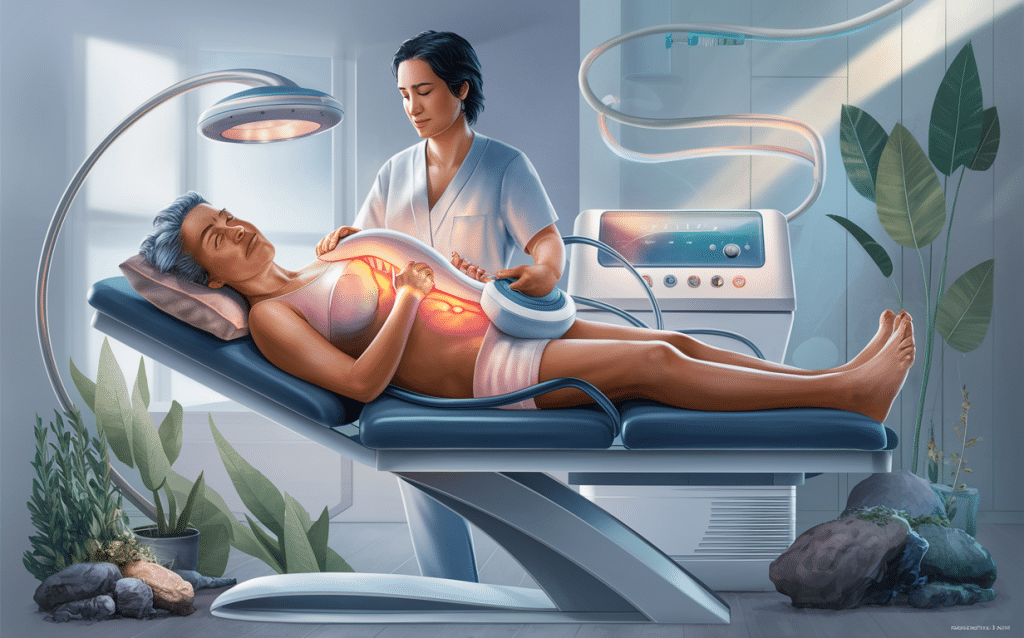
Softwave therapy, also known as extracorporeal shock wave therapy (ESWT), leverages acoustic waves to target tissues in the body. This technique is particularly effective for pain relief and accelerating the healing process. Stimulating the affected tissues, aids in reducing inflammation and promoting regenerative healing. It’s a non-invasive and drug-free alternative, making it ideal for those seeking natural healing methods.
Advantages of softwave therapy. Uses high-energy sound waves that interact with the tissues in the body. Here’s a breakdown of the process:
Softwave therapy is highly effective in reducing chronic and acute pain. Whether it’s joint pain, tendonitis, or muscle injuries, this therapy can provide significant relief by targeting the root cause of pain.
One of the standout benefits of softwave therapy is its ability to promote tissue regeneration. The acoustic waves encourage the body to produce new, healthy cells, speeding up the healing process for damaged tissues.
Unlike surgical interventions, softwave therapy is non-invasive. Patients can return to their daily activities immediately after treatment, making it a convenient option for busy individuals.

Athletes frequently use softwave therapy to recover from sports injuries such as sprains, strains, and tendonitis. The therapy accelerates healing, allowing athletes to get back to their training routines faster.
For those suffering from arthritis, softwave therapy offers a non-drug solution to manage pain and inflammation. The therapy’s regenerative properties can improve joint function and quality of life.
Individuals with chronic pain conditions like fibromyalgia or lower back pain can benefit significantly from softwave therapy. The treatment targets the source of pain, providing long-term relief.
During the initial consultation, the practitioner will assess your condition and determine if softwave therapy is suitable for you. They will explain the procedure, benefits, and expected outcomes.
A typical softwave therapy session lasts about 15-20 minutes. The practitioner will use a handheld device to deliver the acoustic waves to the targeted area. Most patients experience mild discomfort during the treatment, which is generally well-tolerated.
After the session, you can resume your daily activities immediately. Some patients might experience mild redness or swelling, which usually resolves within a few hours.
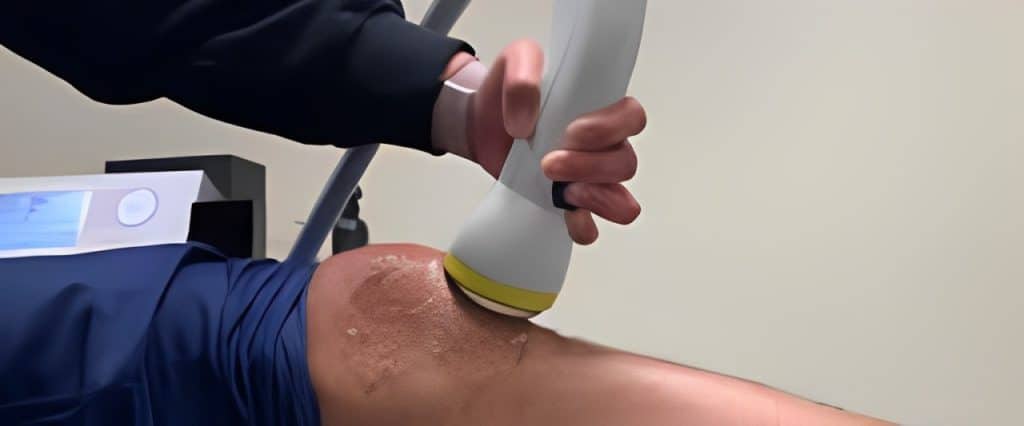
John, a 45-year-old avid runner, suffered a severe knee injury that affected his daily life. Traditional treatments failed to provide lasting relief. After undergoing softwave therapy, John saw significant improvement in pain levels and mobility, allowing him to return to his running routine.
“Softwave therapy changed my life. I was struggling with chronic shoulder pain for years, and after just a few sessions, the pain was almost gone.” – Sarah T.
“As an older adult with arthritis, I was looking for non-drug solutions. Softwave therapy has been a game-changer for me, improving my joint function and reducing pain.” – Michael R.
| Aspect | Softwave Therapy | Traditional Treatments |
|---|---|---|
| Invasiveness | Non-invasive | Can be invasive (surgery) |
| Downtime | None | Varies (can be significant) |
| Pain Relief | Effective | Varies |
| Side Effects | Minimal | Can be significant |
| Cost | Moderate | Varies (often higher) |
Studies have shown that softwave therapy is effective in treating various musculoskeletal conditions. Research indicates that the therapy can reduce pain and improve function in patients with chronic conditions like plantar fasciitis and tendonitis.
Many medical professionals endorse softwave therapy for its efficacy and safety. It is a preferred treatment option in sports medicine and orthopedics due to its non-invasive nature and positive outcomes of the advantages of softwave therapy.
Here are some steps to prepare for your softwave therapy session:
| Condition | Frequency of Treatment | Expected Improvement Timeline |
|---|---|---|
| Tendonitis | 1-2 times per week | 4-6 weeks |
| Plantar Fasciitis | 1-2 times per week | 4-6 weeks |
| Arthritis | 1 time per week | 6-8 weeks |
| Chronic Pain | 1 time per week | 6-8 weeks |
Softwave therapy complements other holistic health practices such as chiropractic care, nutrition coaching, and physical therapy. By integrating these treatments, patients can achieve comprehensive wellness and improved overall health.
At Beard Family Chiropractic, we offer a holistic approach to health and wellness. By combining softwave therapy with chiropractic care, we address both the symptoms and the root cause of your condition, promoting long-term healing and well-being of the advantages of softwave therapy.
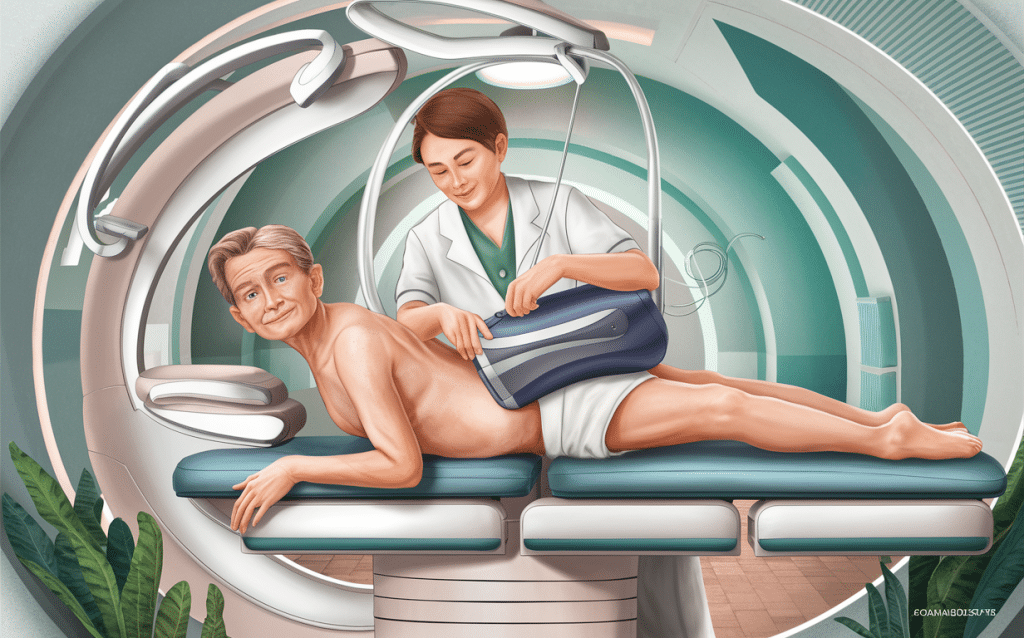
Softwave therapy offers a revolutionary approach to pain management and tissue repair. Its non-invasive nature, combined with its effectiveness, makes it an excellent choice for individuals seeking natural and holistic treatment options. By incorporating softwave therapy into your wellness routine, you can achieve significant improvements in your health and quality of life. At Beard Family Chiropractic, we’re dedicated to helping you on your journey to optimal health with advanced treatments like softwave therapy.
For more information or to schedule an appointment, contact us at Beard Family Chiropractic today. Experience the advantages of softwave therapy and take the first step towards a pain-free life.
Feel free to visit our website if you have any questions or need further information. We’re here to help you achieve your wellness goals!

Dr. Merissa grew up in Victoria, BC, Canada where she obtained her BSc. Kinesiology, with Honours, from the University of Victoria. She learned about the power of chiropractic after having her horse adjusted by an equine chiropractor, leading her to seek care for her own health as well. Dr. Merissa attended Parker University in Dallas where she obtained her Doctorate of Chiropractic (and her husband, Dr. Brian!) in 2014.
